
The Renaissance of Chioggia and Maritime Trade in the Eastern Mediterranean
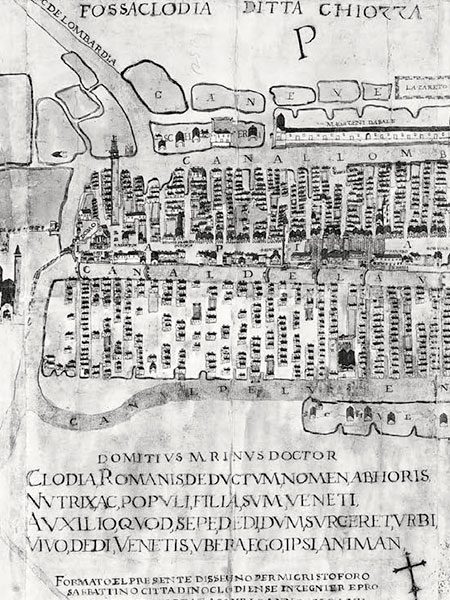
The city’s rebirth proved to be challenging, particularly due to the negative economic situation that affected Clugie salt production (produced in Chioggia). The number and size of the salt pans in Chioggia, which previously occupied extensive lagoon spaces, were reduced.
Lagoon fishing gained a much more important role than in the past, and at the same time, there was a growing propensity for maritime trade in the Eastern Mediterranean. Thanks to the increase in a well-equipped fleet, maritime trade became more intense and lucrative, following in the footsteps of the great merchants of the Venetian Republic.
The flourishing maritime trade and traffic in Chioggia during this period corresponded to the emergence of great navigators and merchants, including notable figures like Giovanni Caboto and Nicolò de’ Conti.
It is worth noting that boat construction has a long and illustrious tradition in Chioggia, historically represented in the prestigious “Mariegola dei Calafati“, a statute dating back to 1211, which is one of the oldest and most comprehensive corporate ordinances of arts and crafts in the communal period of Italy.