
The Origins of Chioggia and Sottomarina
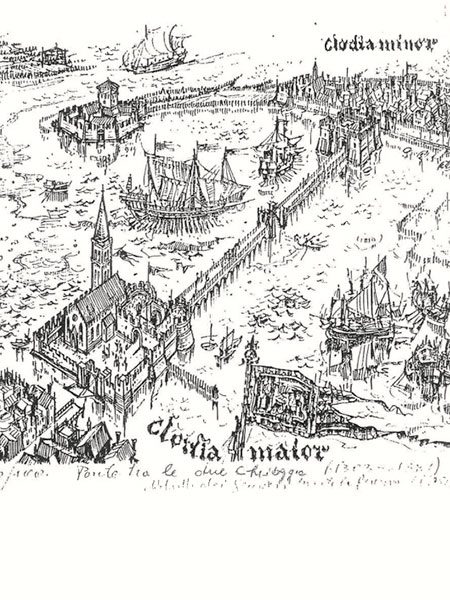
During the barbarian invasions in the 5th century, the two islands of Chioggia were used as a refuge for the Venetian population.
Chioggia and Sottomarina did not play a significant role in ancient times, although Pliny mentioned it as “fossa Clodia.” Local legend attributes its founding to a Clodio, but there are no certain sources confirming this.
The city’s name changed frequently, from Clodia to Cluza, Clugia, Chiozza, before finally adopting the name Chioggia.
The port’s importance explains the city’s growth and its significant development between the 11th and 12th centuries, during which it assumed the role of an important port city focused on trade, salt production, fishing, and other economic activities related to the sea.
This newfound importance led to Chioggia gaining attention from the neighboring Republic of Venice, which granted it administrative, managerial, and legal autonomy. This role was confirmed in the Pactum Clugiae, a document that ensured the city’s specific territory granted by the Republic’s government.